
How to Write Cinematic Trumpets (Why John Williams Sounds So Real)

Updated: Apr 23
There is a reason the trumpet sits at the center of so many unforgettable film moments. When you hear the opening fanfare of Star Wars, or the heroic calls in Indiana Jones, you are not just hearing a melody. You are hearing impact shaped by performance.
This is where many composers misunderstand the role of the trumpet.
They try to write lines. John Williams writes moments.
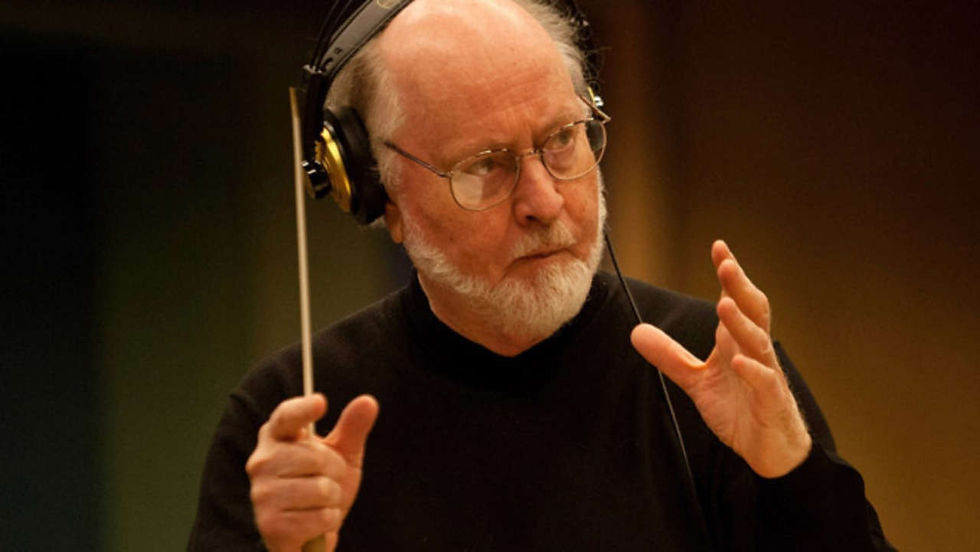
If you want to learn how to write cinematic trumpets, you need to think beyond notes and focus on accents, rhythm, and performance.
Trumpets Are Not Only About Long Melodies
If you isolate how trumpet is used in many of John Williams’ scores, you will notice something subtle but crucial:
The trumpet is rarely carrying long, lyrical phrases on its own.
Instead, it is used to:
Announce
Accentuate
Drive momentum
Listen to this cue from Star Wars universe. The power does not come from sustained notes. It comes from articulated figures, repeated accents, and rhythmic insistence.
Now notice what’s really happening. This is not about long, sustained brass lines.
The energy comes from:
Rapid-fire accents
Tight, interlocking rhythmic figures
Short, controlled articulations
Constant forward motion
The trumpets are not just playing notes. They are executing precise rhythmic gestures that lock into the orchestra. Almost like a percussion section, but pitched.
This is exactly where most mockups fall apart. Because even if you write the same notes, quantize them, and stack staccatos… you still won’t get this.
Why? Because this wasn’t programmed. It was performed as a gesture.
How to Write Cinematic Trumpets: Accents + Rhythm
What makes those iconic brass moments work is not pitch. It is how the notes are delivered.
In practice, that means:
Short notes with intention
Strong attacks at the beginning of each note
Clear rhythmic grouping
Take a cue from Jurassic Park. Even in a more lyrical theme, the trumpet sections often enter with weight, shaping phrases through articulation rather than sustain.
You are not writing notes. You are designing impact events over time.
Articulations That Actually Matter
If you want that cinematic energy, these are the articulations that matter most:
Marcato
Gives you that bold, front-loaded attack. Essential for heroic writing.
Sforzato (sfz)
Creates immediate emphasis. Perfect for hits and accents that need to cut through the orchestra.
Staccato
Useful, but only when shaped properly. On their own, they often sound mechanical. The mistake is relying on staccato alone. That gives you precision, but not life.
The Missing Ingredient: Rhythmic Phrasing
This is where things separate quickly between convincing mockups and flat ones.
Real trumpet writing is never static.
It breathes through:
Micro variations in timing
Natural accent patterns
Grouped phrasing (not note-by-note thinking)
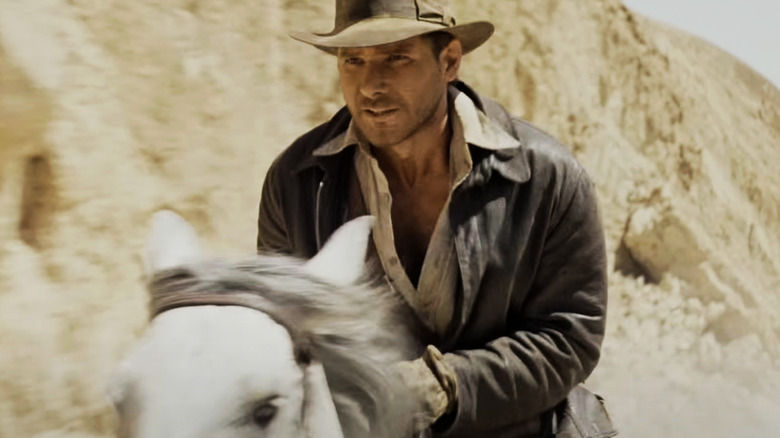
Compare this idea using Indiana Jones and the Raiders of the Lost Ark. The brass lines feel like they are pushing forward, not just triggering notes evenly.
That forward motion comes from performance logic, not MIDI placement.
Why Most Mockups Sound Programmed
Most composers approach trumpet like this:
Write notes in MIDI
Quantize everything
Adjust velocity
Layer staccatos
Technically correct. Musically incomplete.
Because what is missing is: The gesture.
Real trumpet passages, especially fast and rhythmic ones, are played as cohesive movements, not assembled note by note.
That is why even well-produced mockups often lack urgency, weight, and direction. They sound organized, but not alive.
How to Actually Write Trumpets Like This
Here is a practical way to approach it in your own work:
Start with rhythm, not pitch. Think in patterns, not melodies.
For example:
Create a 1-bar rhythmic figure first
Repeat and slightly vary it
Then assign notes to that structure
Next, shape accents deliberately:
Not every note should hit the same
Decide where the phrase “leans”
Then, think in phrases, not MIDI notes:
Ask: “Where does this gesture start and resolve?”
Not: “What is the next note?”
Finally, avoid over-quantizing:
Leave slight imperfections
Or manually introduce timing variation
If it feels too clean, it probably is.
The Core Idea
Trumpets are not powerful because they are loud. They are powerful because of how those notes connect into rhythmic gestures that feel performed.
The biggest shift you can make is simple:
Stop thinking like a programmer. Start thinking like a player.
Because in real scoring, especially in this style: It is not about articulation. It is about performance.
Bring That Sound Into Your Music
If you’ve ever tried to recreate this with MIDI, you already know:
You can program the notes, but you can’t easily program the performance.
That’s exactly where Forge Trumpet comes in.
Real recorded rhythmic cells.
Natural attacks that cut through.
Built-in phrasing that actually moves.
Instead of stacking staccatos and tweaking velocities, you:
Write the notes.
Select the performance.
Shape it your way.
Hear It in Action
Here’s a real track composed by Jetter Garotti, built with Forge Trumpet. Pay attention to the attacks, the tight rhythmic phrasing, and how the trumpet drives the cue forward:
The result?
Trumpet parts that feel alive, tight, and cinematic from the first pass.
Built for attacks.
Built for movement.
Not sequenced.
Performed.


Comments